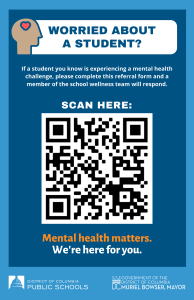
Navigating the emotional landscape of elementary school can be challenging for both children and parents. It is a time of significant growth, and with it can come complex feelings like sadness or stress. This guide is designed to provide you with resources and practical tips to support your child’s mental health, encourage open conversations, and promote safe engagement with social media. You are not alone, and there is support available for your family.
Starting the Conversation: Fostering Open Communication
Creating a safe space for your child to share their feelings is the first step. When you talk, they learn that it’s okay to not be okay and that you are there to help.
- Find Natural Openings: Use car rides, mealtimes, or bedtime to check in. A simple, “How are you feeling today?” or “What was the best and worst part of your day?” can open the door to deeper conversations.
- Listen Without Judgment: When your child shares something difficult, try to listen more than you speak. Acknowledge their feelings with phrases like, “That sounds really tough,” or “Thank you for telling me.” This validates their experience and builds trust.
- Share Your Own Feelings: Model healthy emotional expression by talking about your own feelings in an age-appropriate way. For example, “I felt a little sad today, so I took a walk to feel better.”
- Stay Calm and Reassuring: If your child tells you something concerning, it’s important to remain calm. Your steady presence will help them feel safe and more willing to continue sharing with you in the future.
Practical Tips for Supporting Your Child
Beyond talking, you can take daily actions to support your child’s emotional well-being.
- Establish Routines: Consistent schedules for sleep, meals, and homework can provide a sense of stability and security.
- Encourage Offline Activities: Help your child explore hobbies and interests that are not screen-based, like sports, art, music, or spending time in nature.
- Model Healthy Coping: Show your child how you manage stress, whether it’s through exercise, talking with a friend, or enjoying a quiet activity.
- Monitor for Changes: Pay attention to shifts in your child’s behavior, such as changes in sleep or eating habits, loss of interest in favorite activities, or increased irritability. These could be signs they need extra support.
Navigating Social Media Safely
The digital world can be both exciting and overwhelming. Setting clear boundaries is key to ensuring their online experiences are positive.
- Create a Family Media Plan: Work together to set rules for screen time, which apps are okay to use, and when devices should be put away (like during meals and at bedtime).
- Keep Devices in Common Areas: Have your child use computers and tablets in shared family spaces, like the living room, rather than alone in their bedroom.
- Talk About Online Content: Discuss the difference between what they see online and real life. Remind them that many images and posts are edited or show only the best moments.
- Teach Digital Kindness: Talk about what it means to be a good friend online. Emphasize that they should never share personal information and should tell you immediately if they see anything that makes them feel uncomfortable or sad.
Recommended Resources for Support
Immediate Help Hotlines:
Emergency: Dial 911 if you or someone you know is in immediate danger or go to the nearest Emergency Room
Access Helpline: 1-888-793-4357 (D.C. Dept. of Behavioral Health)
1(888)7WE-HELP. This 24-hour, seven-day-a-week telephone line is staffed by behavioral health professionals who can refer a caller to immediate help or ongoing care.
Community Response Team: 202-673-6495 (D.C. Dept. of Behavior Health)
offers 24-hour services to communities experiencing psychiatric emergencies, trauma, or show signs of mental health and substance use disorders.
Suicide & Crisis Lifeline: Call or Text 988. The Lifeline provides 24-hour, confidential support to anyone in suicidal crisis or emotional distress. Call or text to connect with a trained crisis counselor. https://988lifeline.org
CrisisLink Suicide Hotline: 703-527-4077
La Clinica del Pueblo (Spanish) Mental Health Hotline: 202-462-4788
ChAMPS: 202-481-1440 (Child and Adolescent Mobile Psychiatric Service) is an emergency response service for children, teenagers and adolescent adults who are having a mental health or behavioral health crisis
PIW: 1-800-369-2273 (The Psychiatric Institute of Washington) offers comprehensive behavioral healthcare to children, adolescents, and adults who are experiencing mental health and substance abuse issues.